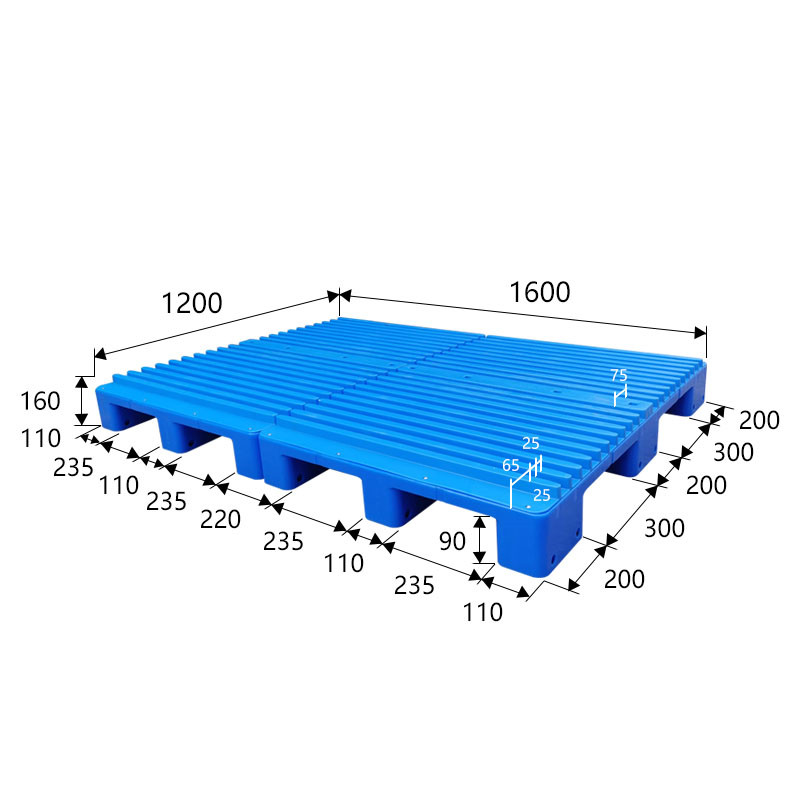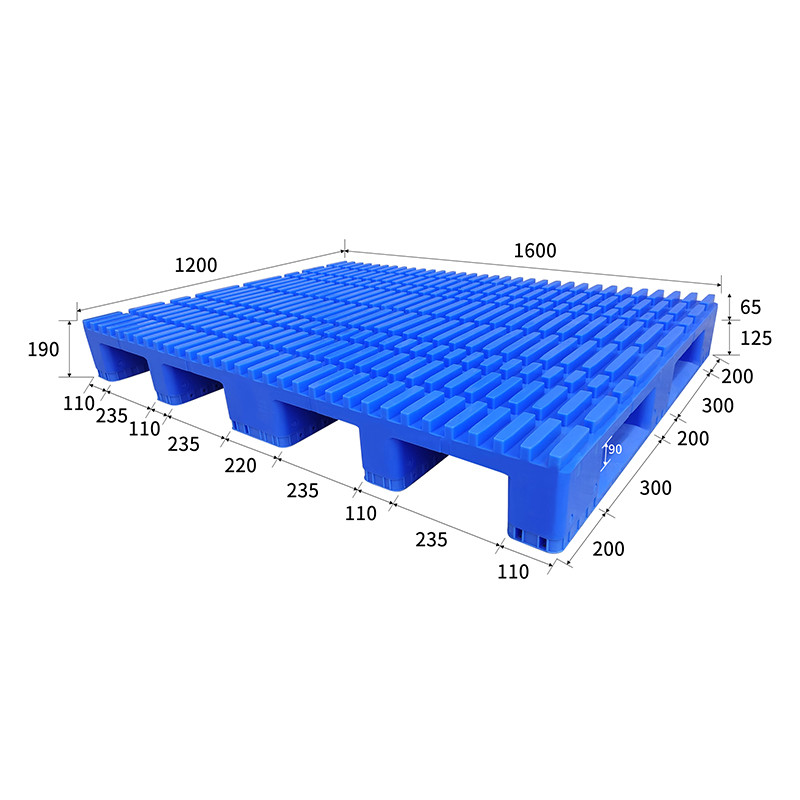
**Understanding Chinese Pallet Dimensions: A Key to Efficient Logistics**In the ever-evolving world of logistics and supply chain management, the importance of standardizing pallet dimensions cannot be overstated. Pallets serve as the foundation for transporting and storing goods, facilitating smoother handling, maximizing space utilization, and reducing costs. Amidst the global trade dynamics, understanding the specifications of pallets used in major markets, such as China, is vital for businesses aiming to optimize their operations.**Overview of Chinese Pallet Dimensions**China, as one of the largest manufacturing hubs and exporters, employs specific pallet dimensions tailored to its domestic and international shipping needs. The most commonly used pallet size in China measures 1100 mm by 1100 mm, forming a square pallet that is well-suited to the dimensions of containers and trucks frequently used in the region. This dimension differs somewhat from the Euro pallet size (1200 mm by 800 mm) popular in Europe and the standard North American pallet (48 inches by 40 inches, approximately 1219 mm by 1016 mm).The square 1100 mm × 1100 mm pallet offers several advantages, including better use of container space when combining products for export. It aligns well with the 20-foot and 40-foot shipping containers widely used, allowing for optimized stacking and load distribution. Furthermore, this size supports automated handling systems prevalent in modern warehouses and manufacturing plants across China.**Variations and Standards in Pallet Sizes**While 1100 mm × 1100 mm is the prevalent pallet dimension in China, there are several other sizes used depending on the industry or specific application. For instance, some pallets measure 1200 mm × 1000 mm or 1140 mm × 1140 mm to accommodate particular goods or machinery parts. However, these sizes are less common and typically tailored to niche logistics needs.China does not currently have a single, mandatory national pallet standard akin to Europe’s EPAL system, but many companies and industries follow standardized sizes to ensure compatibility across supply chains. The widespread adoption of the 1100 mm square pallet has become a de facto standard, simplifying procurement and logistics operations for manufacturers and exporters alike.**Material and Construction of Chinese Pallets**In addition to dimensions, the material composition of pallets plays a critical role in durability and cost-efficiency. Wooden pallets remain dominant in China due to their cost-effectiveness and ease of repair. However, due to concerns about pest infestation and the need for fumigation in international shipping, attention to wood treatment standards is essential.Plastic pallets and metal pallets are also increasingly used, particularly in sectors requiring higher hygiene standards, such as pharmaceuticals and electronics. Plastic pallets provide advantages in terms of longevity, reduced weight, and consistent sizing, though they come at a higher initial cost compared to their wooden counterparts.**Impact on International Trade and Logistics**For global companies sourcing from or shipping to China, understanding pallet dimensions and standards is crucial. Using pallets that fit well within container dimensions reduces the risk of damage, improves stacking efficiency, and lowers freight costs. The 1100 mm × 1100 mm pallet is particularly advantageous for exporters targeting markets with compatible container handling protocols.Moreover, familiarity with Chinese pallet norms helps streamline customs inspections and compliance checks, reducing delays at ports. Companies that align their packaging and palletization with these standards enhance their supply chain resilience and responsiveness.**Company Introduction**[Insert company introduction here]The company stands at the forefront of providing comprehensive logistics solutions tailored to the Chinese market. With deep expertise in pallet design, supply chain integration, and material handling technologies, it helps clients achieve operational excellence through optimized pallet usage. Their commitment to quality and innovation has positioned them as a trusted partner for manufacturers and exporters navigating the complexities of Chinese and international logistics.**Conclusion**As global trade continues to expand and supply chains become more interconnected, understanding the nuances of regional logistics standards, such as Chinese pallet dimensions, becomes indispensable. The 1100 mm × 1100 mm pallet exemplifies how localized standards evolve to meet the specific demands of a market while supporting international flows.Businesses investing in knowledge and adaptation to these pallet dimensions position themselves to reduce costs, improve efficiency, and maintain competitiveness. By collaborating with experienced logistics providers and leveraging tailored solutions, companies can unlock the full potential of their supply chains and thrive in the dynamic landscape of global commerce.
Read More